

Our Directors

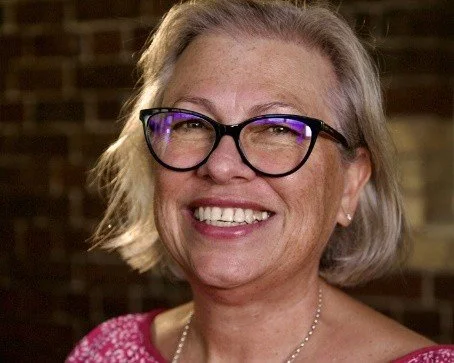
Lynette Bullen
Wiradjuri
I am a proud Wiradjuri woman with over 30 years' experience in the alcohol and other drugs (AOD) sector in remote to urban
NSW. I work as the Senior Drug and Alcohol Clinician in the Involuntary Drug and Alcohol Treatment Unit in Western NSW LHD and as a Clinical Research Officer with La Trobe Uni. My career spans government and non-government services in primary health and specialist AOD settings, integrating clinical practice, Aboriginal and Torres Strait Islander health, families, research and policy. I focus on supporting Aboriginal and Torres Strait Islander people where AOD use intersects with mental health, child protection, justice involvement and intergenerational trauma. In IDAT, I coordinate culturally safe care, discharge planning and community follow-up for clients, working with families, ACCHOs, LHDs and local services to strengthen continuity of care. I have led research on improving how services ask Aboriginal people about AOD use and translating evidence into practical tools for frontline workers. I am particularly interested in strengthening pathways between AOD, primary health and palliative care services so that Aboriginal and Torres Strait Islander people are not excluded from quality end-of-life care and are supported to die with dignity, cultural safety and the support of those who matter most to them.
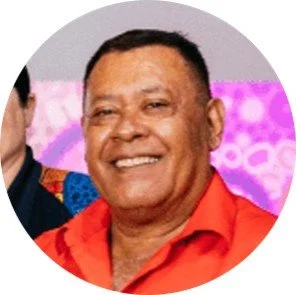
Stephen Christian
Meuram Clan Erub Island
Stephen Christian is a is a proud Torres Strait Islander Man of the Meuram Clan Erub Island. He is a practicing Aboriginal and Torres Strait Islander Practice Manager across the top end of Queensland and the diverse Torres Strait Islands. Stephen has been a senior leader and representative on a number of Palliative Care Advisory and steering committees dedicated to improving palliative care provided to Aboriginal and Torres Strait Islander peoples.
Stephen is passionate and advocates to ensure that the Torres Strait Islander people, beliefs, traditional practices and cultural custodianship is passed down through the generations.
He states that “Comfort Care embraces our beginnings, our knowledges and practices that are important to our people, and this needs to be sustained through the services that are delivered to our people”.

Cindy Paardekooper
Kokatha
Cindy is a proud Kokatha woman from the far west coast of South Australia, now based in Adelaide. As a Founding Director of the National Aboriginal and Torres Strait Islander Palliative Care Association (NATSIPCA), she is dedicated to strengthening culturally safe and responsive palliative care for Aboriginal and Torres Strait Islander peoples.
With extensive experience as an Aboriginal Consultant in Palliative Care Education, Aged Care, and broader Aboriginal affairs across South Australia and the Northern Territory, Cindy has played a key role in the National PEPA Program and other national and state-level palliative care initiatives.
Holding a Diploma in Project Management, alongside deep cultural knowledge and lived experience, Cindy has been instrumental in delivering Cultural Capability Training to service providers. Her work builds capacity in frontline staff, ensuring they can deliver culturally safe, relevant, and responsive palliative care. Through education and advocacy, she promotes greater access to and uptake of palliative care services within Aboriginal and Torres Strait Islander communities.
Cindy is deeply committed to advocating for Aboriginal and Torres Strait Islander peoples, their families, and communities, ensuring strong connections to culture, kin, and country, and driving meaningful improvements in life outcomes.
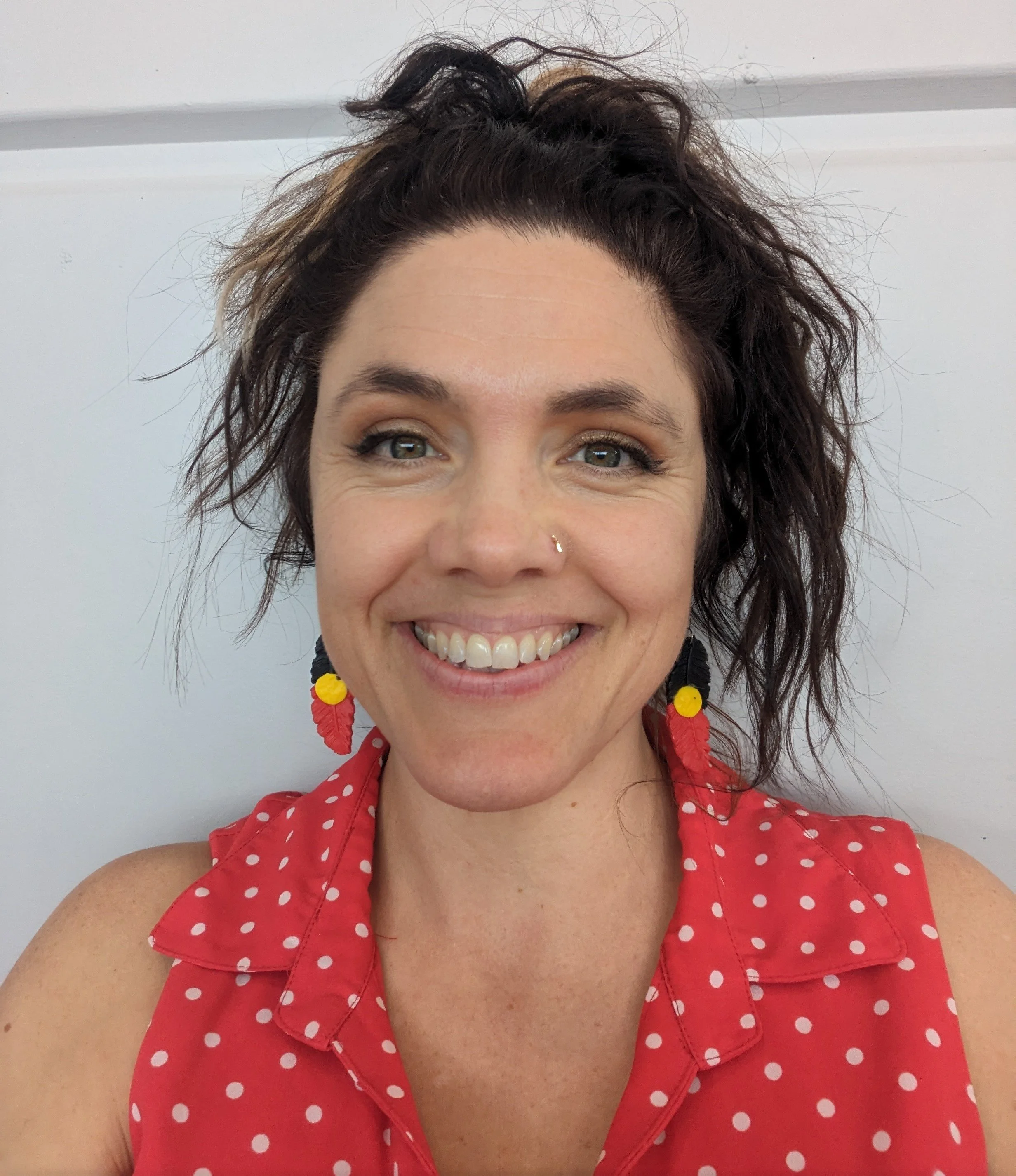
Nicole Hewett
Palawa
Based in Meanjin on the sovereign and unceded lands and waters of the Turrbul and Yuggera peoples, Nicole is a proud Palawa mother of two daughters and a knowledge translation researcher at La Trobe University (Naarm). Nic has extensive experience in building the capacity of Aboriginal and non-Aboriginal workforce to deliver strengths-based, healing-informed, culture-centred palliative and cancer care. Nic is passionate about drawing on the profound strengths of culture and local ways of knowing, being and doing to support healing pathways that bring genuine and meaningful benefit to Aboriginal and Torres Strait Islander families, at a grassroots level.

Wayne Christian
Meuram Clan Erub Island
Wayne Christian is an Aboriginal and Torres Strait Islander Health Practitioner, is a proud descendant of the Meuram Clan from Erub Island (Darnley Island ) in the Torres Straits. Wayne was born in Cairns and has extended Aboriginal family ties to Mornington Island and Cape York.
Wayne calls Bamaga home. Bamaga is a remote community situated about 1100 km north of Cairns at the very tip of Australia. Wayne graduated Certificate IV in Aboriginal and Torres Strait Islander Primary Health Care and has been practicing for the past 15 years.
Wayne has been a member of National Program of Experience in the Palliative Approach and advocates the importance of Palliative Care services culturally safe and responsive grounded in cultural practices and ways of Knowing, Being and Doing. He states, “It is part and parcel as to how we look after our clients health journey from diagnosis to their end of life journey”.